When You’re Tired of Being Brave
I’ve been brave for so long that I don’t remember choosing it.
Bravery became my default setting at a young age. I didn’t sign up for it or raise my hand and volunteer. It appeared in circumstances I didn’t choose. Loss, disappointment, unanswered prayers, and the accumulation of grief that hangs heavily on my shoulders.
By the time I reached my mid-forties, bravery felt less like a virtue and more like a requirement. Get up. Keep going. Smile through everything. Keep trusting God.
I used to think courage was a spiritual muscle I had to keep flexing. I feared that if I let down my guard, admitting how weary I felt, I’d disappoint God. He’d already carried me through so much. Shouldn’t I be stronger by now?
But there are seasons when even the strongest faith gets tired. And Scripture shares the perfect story.
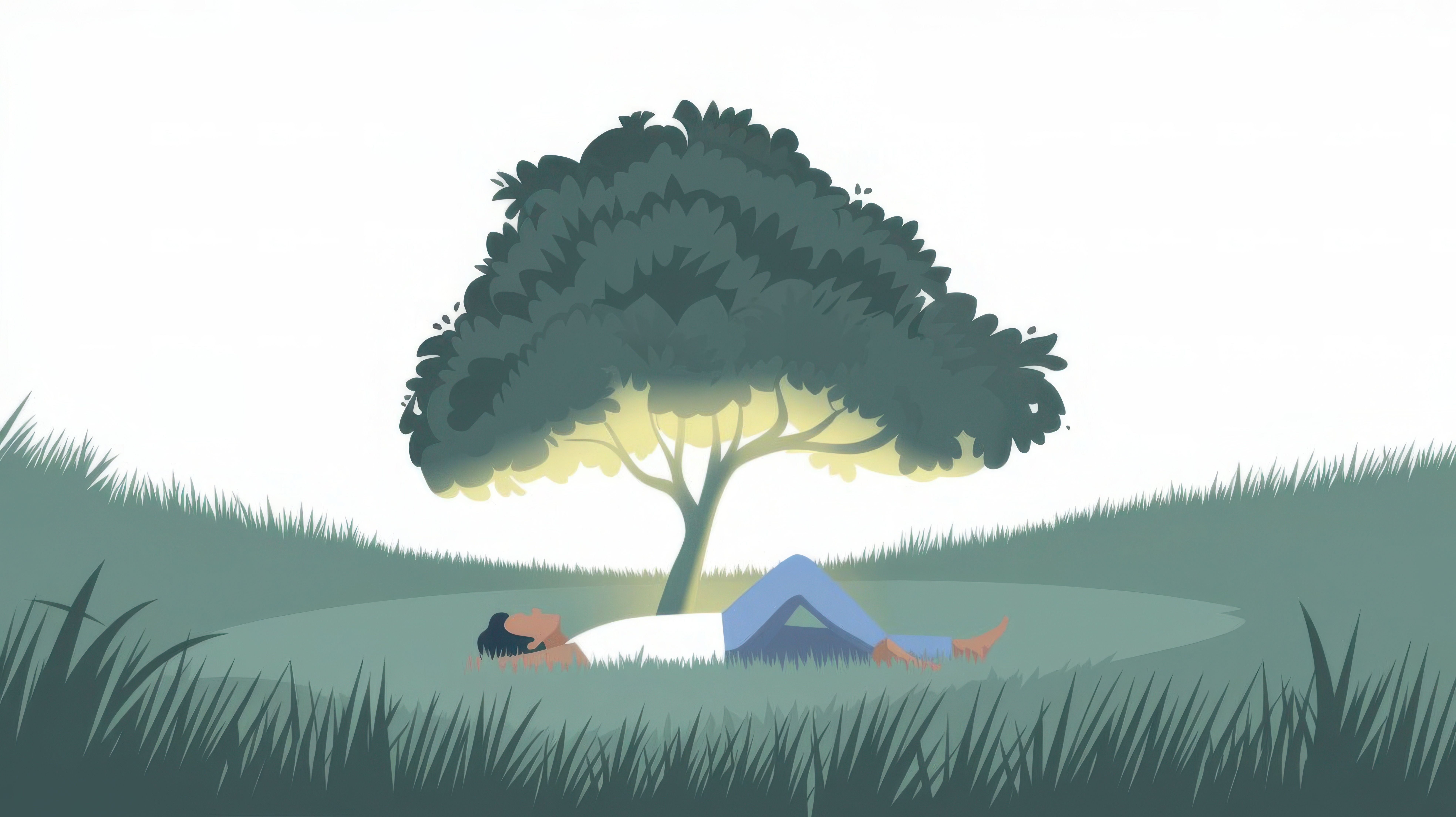
It comes from the life of Elijah. After a dramatic victory over false prophets and a bold stand for God, Elijah collapsed under the weight of exhaustion and fear. He ran into the wilderness, sat down under a broom tree, and asked God to take his life. Not because he lacked faith, but because he was spent and afraid.
The story is recorded in 1 Kings 19, and it’s striking what God doesn’t say.
God doesn’t rebuke Elijah. He doesn’t lecture him about perseverance or remind him of his calling. Instead, God lets him sleep. He sends an angel with food and water. He lets Elijah sleep and eat again. Then God speaks.
God cares for Elijah.
Like Elijah, there came a time when I realized I wasn’t afraid of hardship—I was simply tired of carrying it.
I’ve lived long enough to know the cost of prolonged bravery. I’ve learned that being strong for years on end drains the soul. When my children died—years apart, losses layered one on top of another—I learned how to function while shattered. I kept showing up. I learned how to keep moving because stopping felt dangerous.
Bravery, in those seasons, wasn’t heroic. It was survival.
Later, when my family faced other unexpected upheavals: strained relationships, broken dreams, futures rewritten. I experienced a deep exhaustion. Not the sharp pain of grief, but the dull ache of endurance. I thought, How long, Lord?
My hope felt heavy.
Faith, I’m learning, doesn’t require constant endurance without rest. That idea we sometimes mistake for maturity. We assume strong Christians never collapse, never question, never need to be held. But Scripture repeatedly shows God meeting His people not at the peak of their bravery, but at the point of their exhaustion.
“Be still, and know that I am God,” says Psalms 46:10 (NLT). Other versions read cease striving. Scripture doesn’t say push harder but be still. Stillness isn’t spiritual laziness. It’s obedience.
There was a season when I finally gave myself permission to stop being brave for a while. I didn’t quit believing or walk away from God. I simply stopped pretending I was okay. I stopped forcing myself to work when my soul needed to sit. I asked trusted people for prayers. I chose to believe that God loves me without requiring performance.
That season changed my understanding of courage. Sometimes it looks like endurance and pressing forward. Other times, it’s a strength that requires lying down and letting God do the carrying.
As we move into a new year, I feel this message more deeply than ever. New Year’s often comes with pressure. Fresh goals. Renewed expectations. Subtle reminders that we should be stronger, better, by now. But I’m learning to enter the year differently.
Here are a few signs I’ve learned to recognize when spiritual exhaustion and societal expectations are setting in:
- I feel numb rather than sad or tired.
- I keep saying “I’m fine” without thinking.
- I avoid quiet because I’m afraid of what I’ll feel.
If any of those sounds familiar, remember, “God is not disappointed in you.
”He doesn’t require bravery every day. He invites honesty. He offers rest. He meets us with gentleness when strength runs thin.
Jesus Himself modeled this. He withdrew to quiet places. He slept in boats during storms. He wept openly. He didn’t rush pain, and He never shamed weakness.
If you need it, here’s a permission slip you can carry into the coming months. You’re allowed to rest. You’re encouraged to let God be strong for you.
Here’s a prayer for times when courage, faith and hope feel heavy:
Lord Jesus,
I am tired of being brave. I trust You, but I am weary. Teach me how to rest without guilt. Please carry what I can no longer hold. Restore me—not so I can do more, but so I can love and trust You more deeply.
Amen
Sometimes, the most faithful thing we can do is lie down under a tree and let Jesus give us rest and nourishment.